Jewish Gangsters of America

A visual history of Jewish Gangsters in America, told through original vintage photography and one-of-a-kind artifacts.

CURATED BY AVI BASH
@THE_BASH_COLLECTION
About Jewish Gangsters of America

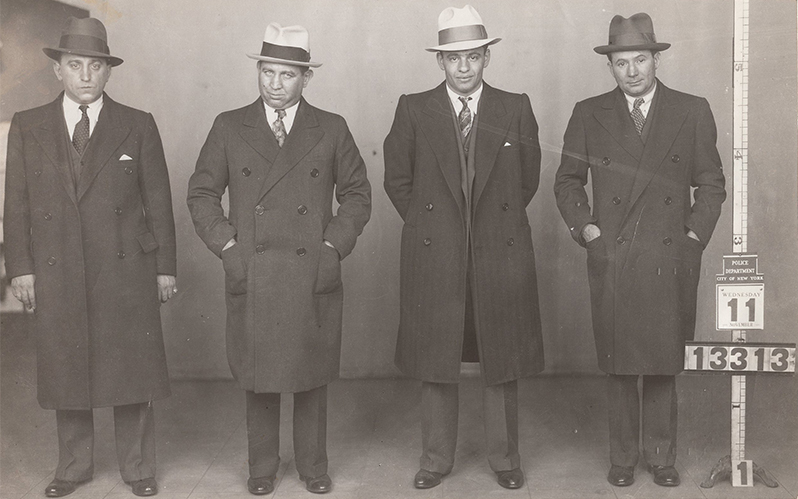
Jewish Gangsters of America will present an authentic look at the personal lives of Jewish gangsters and their involvement in organized crime. Utilizing artifacts, documents, and original period photos, this exhibit will present real stories of the abundant Jewish organized crime figures who worked closely with the Italians and helped establish a crime syndicate spanning the nation.

The exhibit would span coast to coast, geographically covering major cities and the notorious mobsters who did business there. Artifacts would begin with Prohibition in the 1920s and conclude with Meyer Lansky’s death in 1983.

Exhibition displays will be comprised of photographic and physical artifacts, including:

  • Personal items, including clothing, jewelry, and private never-before-seen family photos
  • Police files including original mugshots, fingerprint cards, wanted posters, rap sheets, etc.
  • Financial documents relating to businesses and personal accounts, including bank documents, stock certificates, checks, and accounting records
  • Original TYPE 1 press photos sourced directly from newspaper archives

Exhibition Displays & Timelines

The Following is a Sampling of Available Material

1919 - 1928

Arnold "The Brain" Rothstein: Moses of Jewish Gangsters"

The onset of Prohibition transformed crime into big business, and Arnold “The Brain” Rothstein emerged as its master strategist—financing bootlegging, gambling, and corruption networks that reshaped organized crime. His methods professionalized the underworld and mentored the next generation of syndicate leaders.

1920 - 1935

Detroit’s Purple Gang: Kings of the Border Underworld
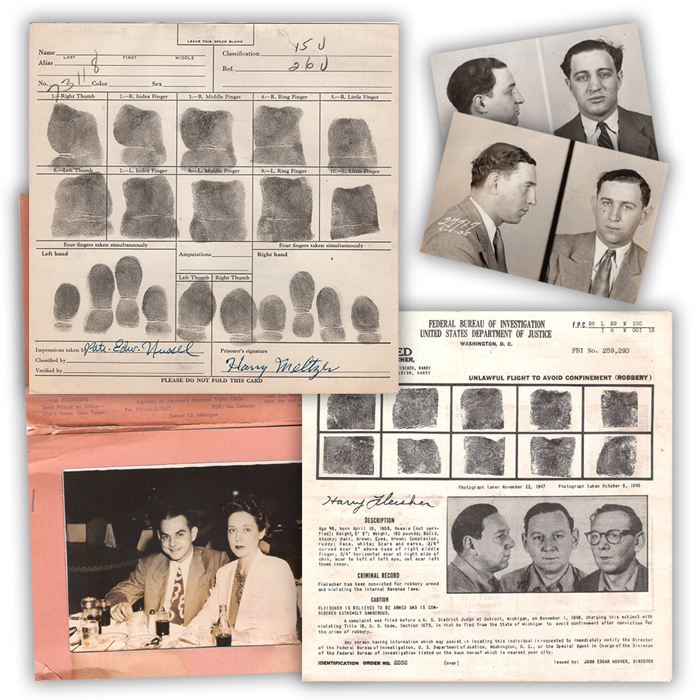
Operating along the busy Detroit–Windsor corridor during Prohibition, the predominantly Jewish Purple Gang dominated liquor smuggling, hijacking, and violent enforcement, becoming one of the most feared criminal organizations in America. Their reign collapsed in the mid-1930s as internal betrayals, arrests, and high-profile prosecutions dismantled the gang and ended their control of Detroit’s underworld.

1931 - 1944

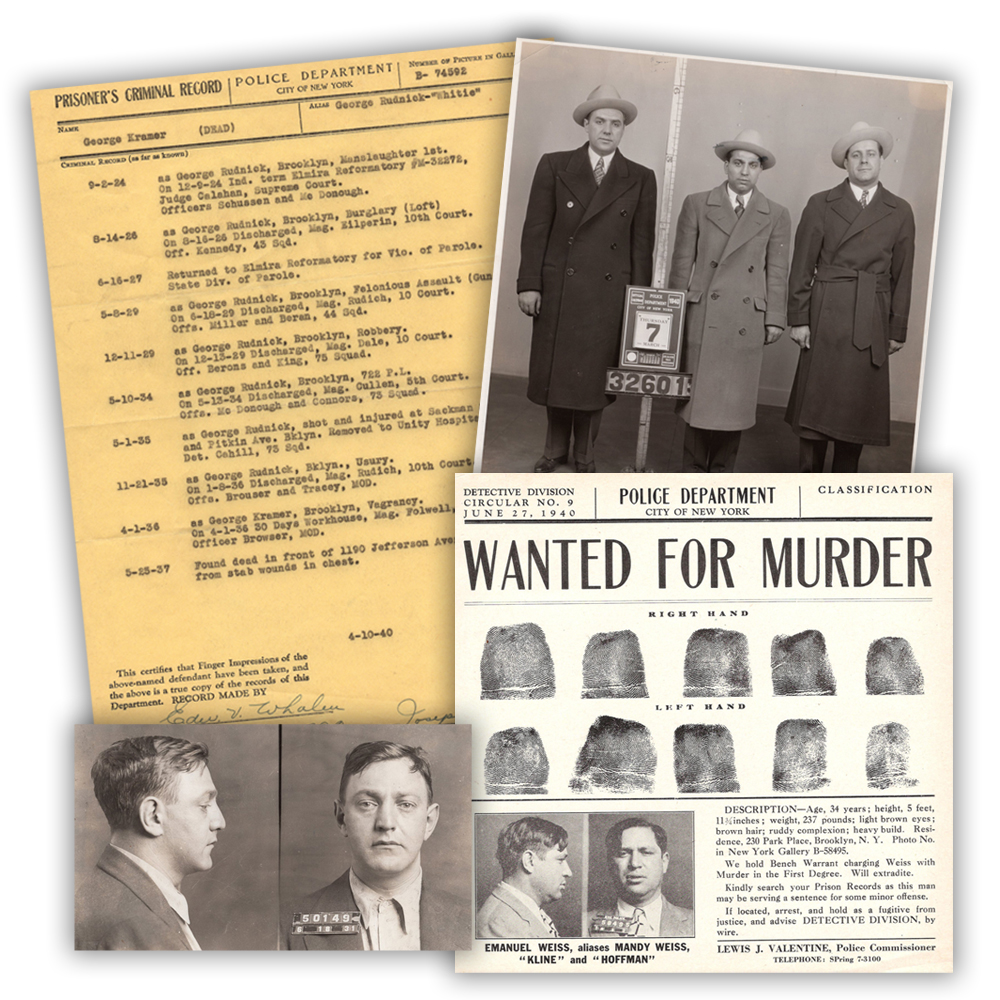
Murder Inc: The Rise & Fall of Brooklyn’s Bloody Hit Squad

Operating from Brooklyn’s Brownsville neighborhood, Murder Inc. became the enforcement arm of organized crime—carrying out dozens of contract killings for the national syndicate. Their reign of terror ended in the early 1940s when informants and aggressive prosecutions dismantled the organization and sent many of its members to the electric chair.

1920's - 1947

Ben Siegel: East Coast Hoodlum to West Coast Sportsman
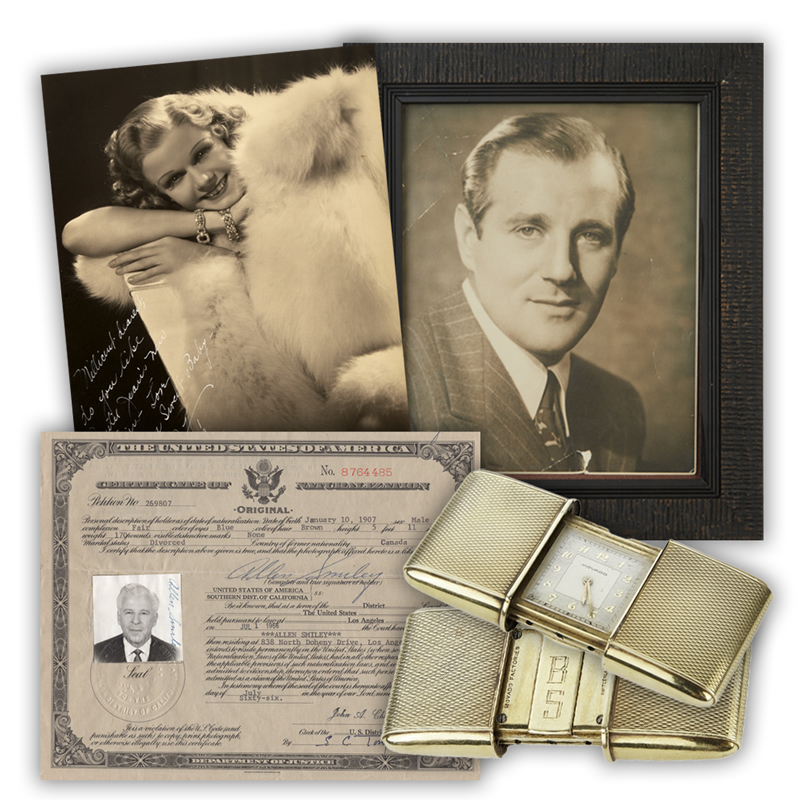
Starting as a streetwise enforcer in New York, Benjamin "Bugsy" Siegel rose through the ranks of organized crime before relocating to California, where he cultivated a new image as a polished West Coast figure involved in gambling, racing, and high-society circles. His westward journey ultimately led him to Las Vegas, where his vision for luxury casinos helped reshape the city and marked the transition of organized crime from urban rackets to glamorous resort empires.

1930s - 1959

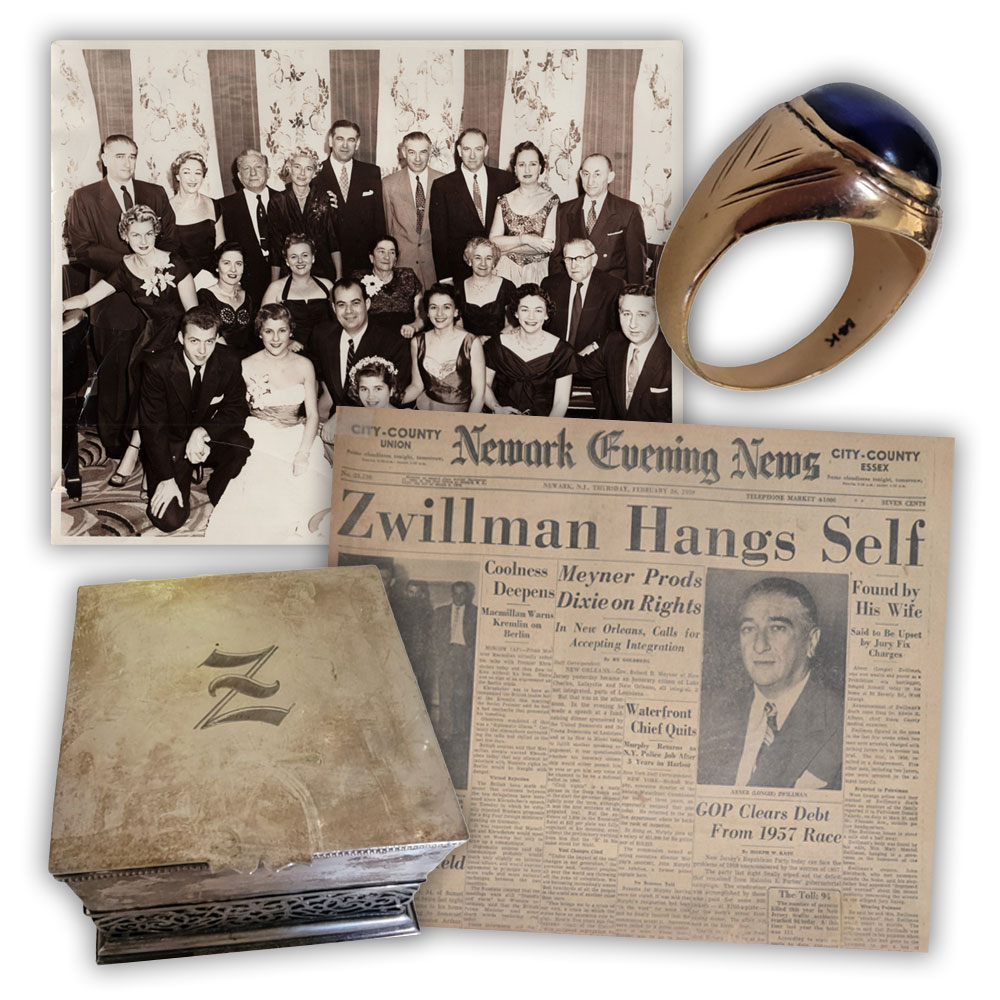
Abner “Longy” Zwillman: The Al Capone of New Jersey

Known as the dominant crime boss of Newark, Abner Zwillman built a powerful criminal empire rooted in bootlegging, gambling, and political influence throughout New Jersey. His sudden death in 1959, officially ruled a suicide but long surrounded by suspicion, marked the end of one of the most influential figures in the state’s underworld history.

1945 - 1967

Las Vegas: From Desert Outpost to Mob Empire
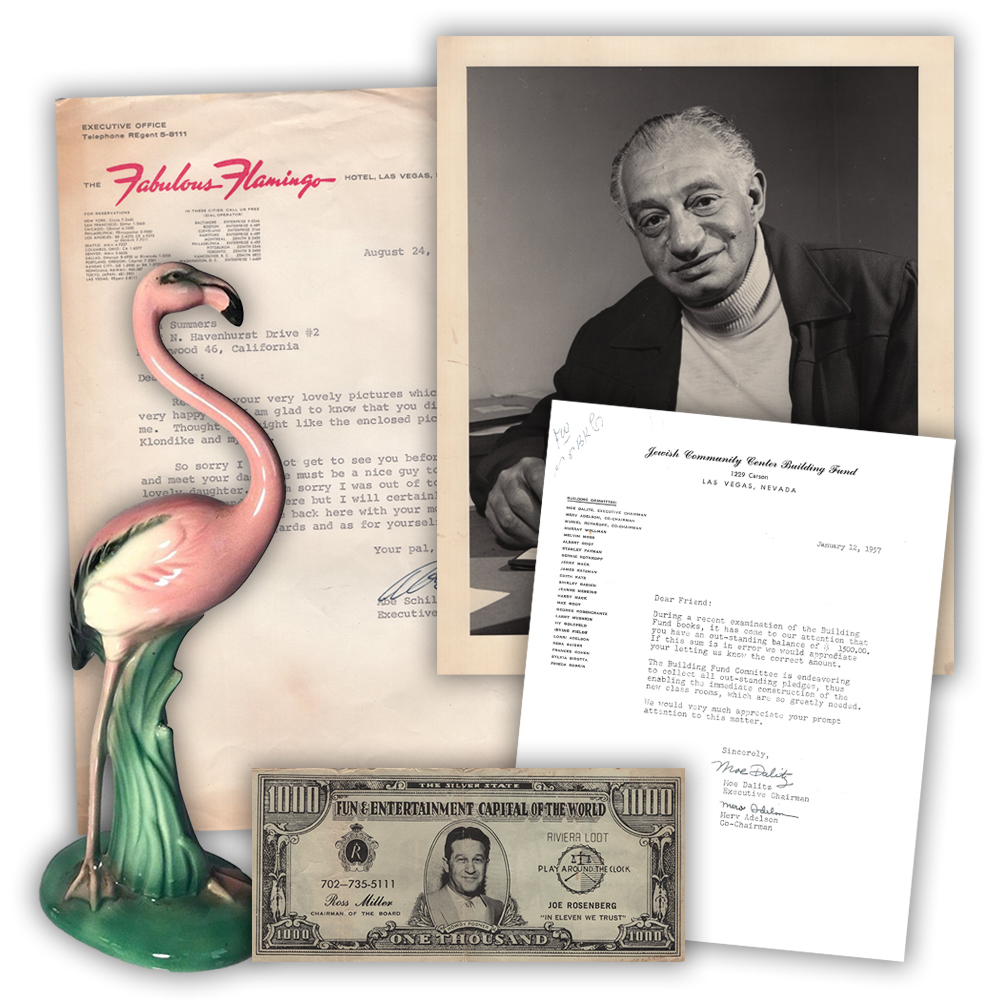
Following World War II, mob figures including Benjamin "Bugsy" Siegel, Meyer Lansky, and other syndicate leaders transformed Las Vegas into a booming gambling capital, financing casinos and hotels that turned the desert town into a global entertainment destination. By the late 1960s, increasing federal scrutiny and corporate investment began to push organized crime out of the casino business, marking the end of the mob’s golden era in Las Vegas.

1948 - 1976

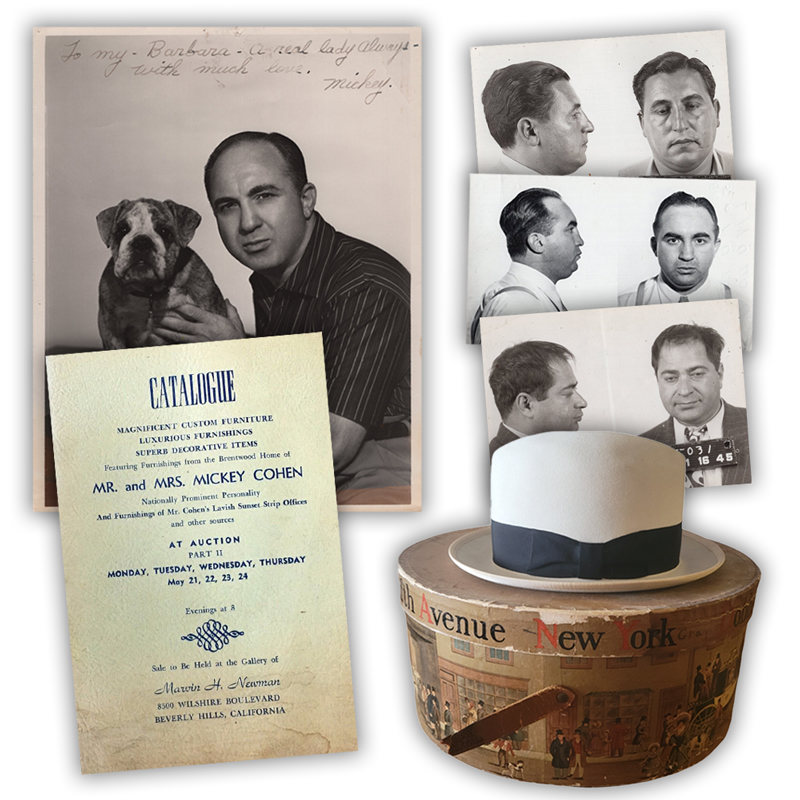
Mickey Cohen: Hollywood’s Celebrity Gangster

Beginning his career as a tough young boxer in Cleveland, Mickey Cohen carried his fighting spirit into the world of organized crime, eventually moving to Los Angeles, where he battled rivals and law enforcement for control of the city’s lucrative gambling and racketeering operations following the death of Benjamin "Bugsy" Siegel. Known for his resilience, public notoriety, and survival of multiple assassination attempts, Cohen became one of the most recognizable gangsters of the postwar era, bridging the gap between the old underworld and the emerging age of media-driven crime figures.

1930 - 1983

Meyer Lansky: The Mob’s Financial Mastermind
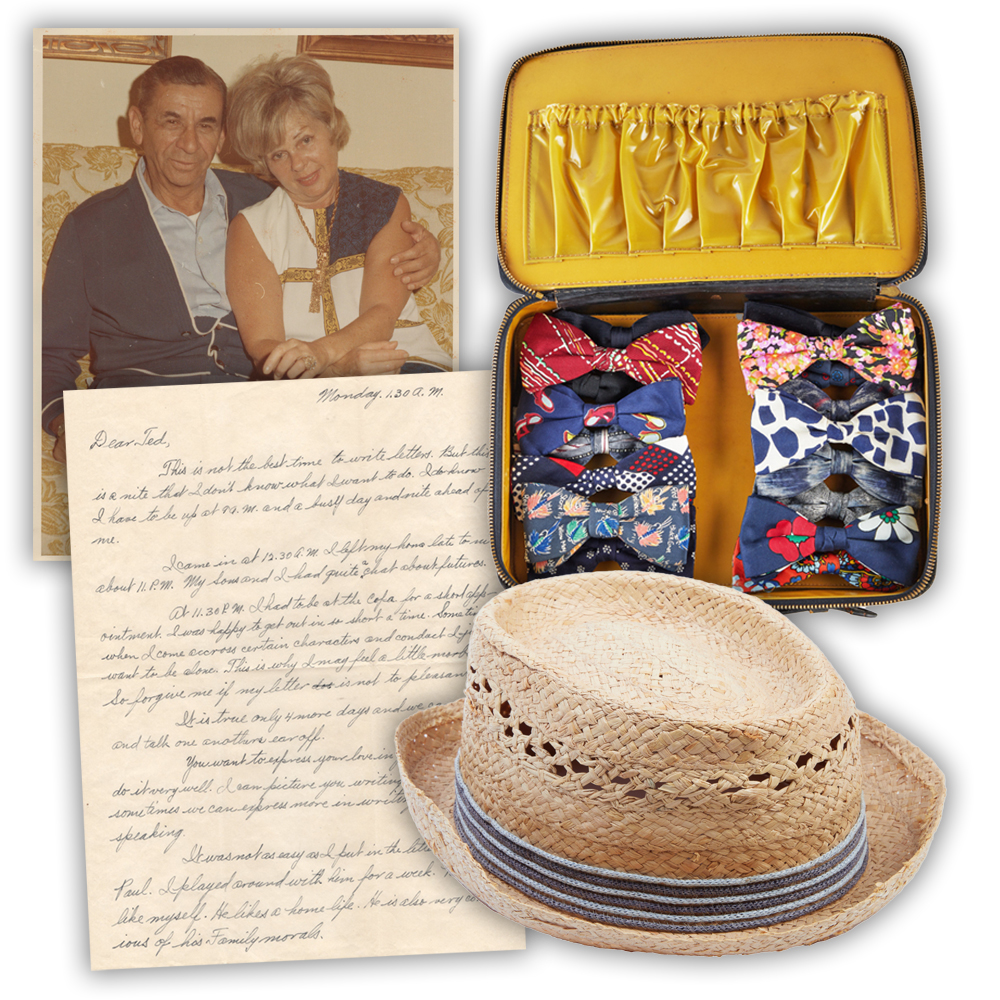
Operating behind the scenes for decades, Meyer Lansky became known as the financial architect of organized crime, helping build lucrative gambling operations from New York to Cuba and Las Vegas. Respected for his intelligence and business acumen, Lansky outlived most of his contemporaries, and his death in 1983 marked the end of the original generation that had shaped the modern American underworld.